Tile ranking and strategy guide
2048 Cupcakes Tier List: Cupcakes Ranked in the 2048 Game
Looking for cupcakes ranked in the 2048 game? This guide turns the long tile list into a practical tier list. The ranking is editorial, not an official game label: it weighs tile value, how much space the tile represents, how useful it is for the next merge, and how important it is to a normal run. Use the table for quick comparisons, then keep the numeric value as your final reference when a mirror uses different artwork.
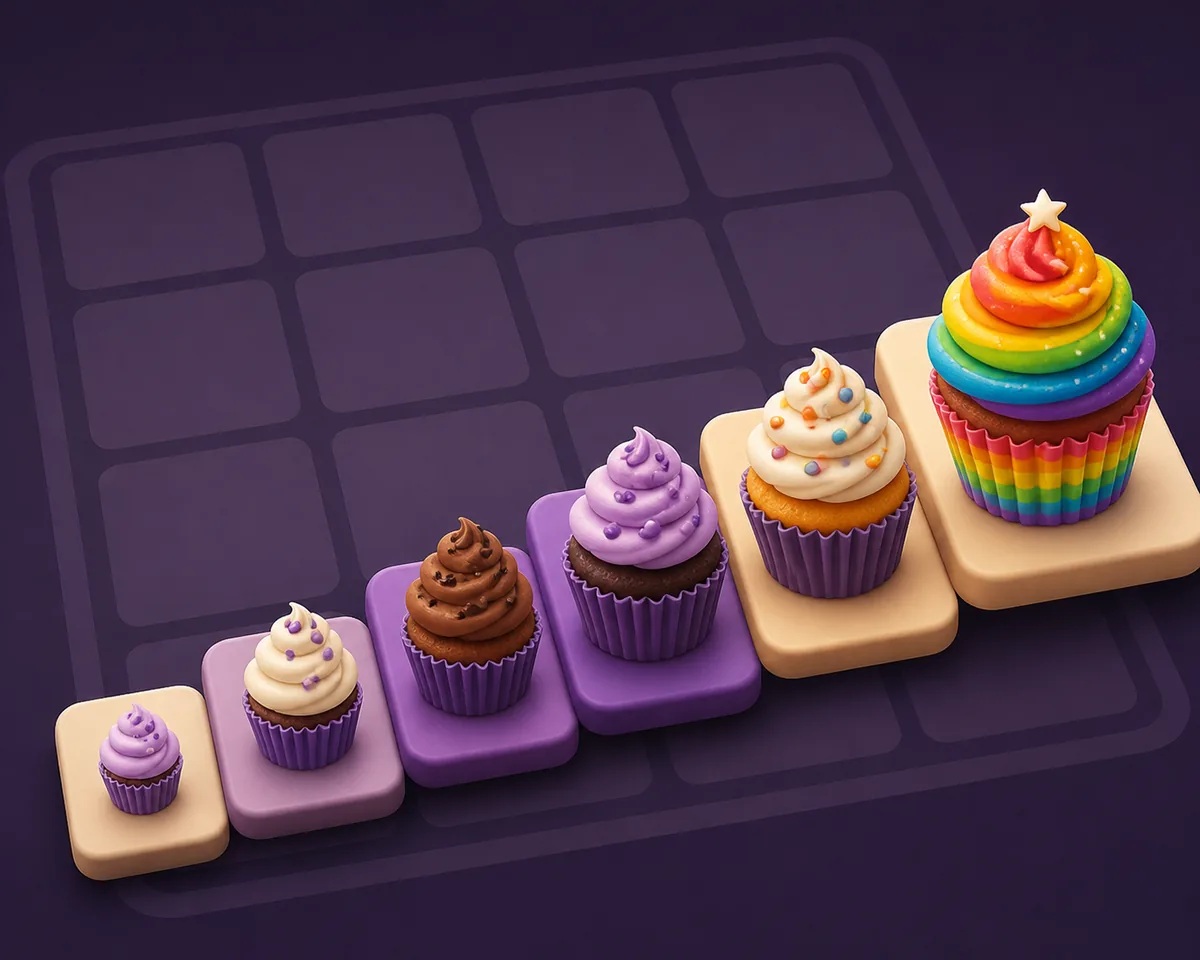
Quick answer: which 2048 Cupcakes tiles rank highest?
For a normal 4x4 run, the 2048 Rainbow Cupcake belongs in the S tier because it is the standard win target in the classic theme. The 1024 and 512 cupcakes are the most important working tiles: they are difficult to rebuild, they control the late-game chain, and they determine whether a board still has a path to the target.
The purple 128 Chocolate Spider Web cupcake is useful but not rare in the rules. It is an A-to-B transition tile: it proves that your merge chain is healthy, yet it still needs to become 256, 512, and higher. The 64, 32, 16, 8, 4, and 2 tiles sit lower in this ranking only because they are feeder pieces. They are not bad tiles; they are the material that keeps every higher tier moving.
This distinction matters because a tier list can accidentally turn into a popularity list. A colorful cupcake is not automatically stronger, and a plain-looking early cupcake is not a mistake. In 2048, value, position, empty space, and the next legal merge matter more than frosting color. When artwork differs between hosted copies, read the number first.
Cupcakes Ranked in the 2048 Game: Tier List by Value and Board Role
The tiers below rank strategic importance in a standard 4x4 game. They do not claim that the source repository officially labels tiles as S, A, B, or C tiers.
| Tier | Cupcake stage | Value | Why it belongs here |
|---|---|---|---|
| S | Rainbow Cupcake Completion target |
2048 | The standard target gives the whole board a clear objective. Reaching it requires two 1024 tiles and careful space management. |
| A | 1024 Cupcake Late-game anchor |
1024 | A 1024 is hard to replace. Protect it in the chosen corner while you build a second 1024 for the final merge. |
| A | 512 Cupcake Chain backbone |
512 | The 512 is the bridge between a stable mid-game chain and the 1024 endgame. Losing it often costs several turns of progress. |
| B | 256 Cupcake Feeder checkpoint |
256 | Two 256 tiles create 512. It is valuable enough to protect, but still rebuildable when the board has a recovery lane. |
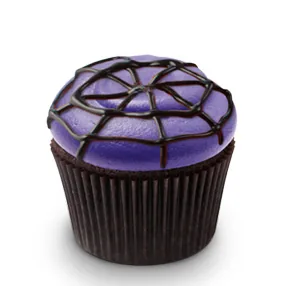
| B | Purple Chocolate Spider Web Recognizable milestone |
128 | The purple 128 is a dependable progress marker. Its strategic value comes from what it can become, not from a special bonus. |
| C | Early feeder tiles Merge material |
2–64 | Small tiles look ordinary but keep the board flexible. Merge them efficiently, avoid isolated gaps, and feed the corner chain. |
Some source builds continue past 2048 to 4096 or 8192. This page ranks the familiar 2048 goal first and treats later continuation tiles as optional post-win practice.
Use real tile artwork as a check, not as the only ranking signal
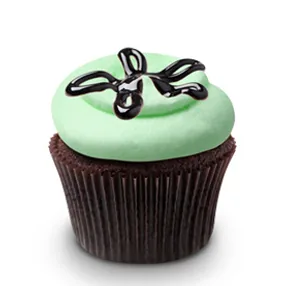
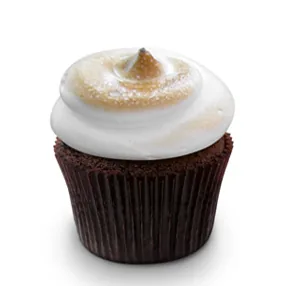
The following source-build tile assets make the 64-to-256 path easy to recognize. They are useful evidence for names and appearance, while the numeric value remains the safest way to compare a modified mirror.
How to use the tier list during a real game
A ranking helps only when it changes a move. Use it as a decision aid rather than a reason to chase a particular picture or sacrifice the board for a high number.
- Protect the highest stable tile. Choose a corner and keep the highest tile there. The S and A tiers are valuable because they anchor the next merges, not because they look impressive.
- Treat empty cells as part of the tier list. A 512 with no recovery space can be less useful than a clean 128 chain. Board mobility decides whether a high tile can survive the next few spawns.
- Build pairs before forcing upgrades. Do not move a protected 512 just to combine a small tile. Feed the low end of the chain until the next equal-value pair appears naturally.
- Read the value when artwork changes. Seasonal versions, mirrors, and copied builds may recolor cupcakes. The value is the portable identifier; a frosting description is only a visual aid.
- Use the ranking after a mistake. If a move breaks the chain, first recover the corner and restore feeder order. The tier list tells you which lost checkpoint matters most, so you can choose whether to continue or restart.
Which page should you use next?
The tier list answers “which tiles matter most?” It should complement the site's existing guides rather than replace them.
Need every name and value?
Open the All Cupcakes Guide. It is the reference page for the full progression, 1024 setup, and Rainbow Cupcake continuation.
Know the values but keep losing?
Use the Strategy Guide for corner control, snake-chain order, recovery moves, and the late-game path from 512 to 2048.
Confused by the purple cupcake?
The Purple Cupcake Guide verifies the 64-to-128 merge and separates the 128 Chocolate Spider Web tile from the later Rainbow Cupcake.
Want a score goal after 2048?
The High Score Guide covers 4096, 8192, record claims, and a practice plan after the standard target.
Limits of this ranking
There is no universal official tier list for 2048 Cupcakes. This ranking is a reader-facing summary of board value and merge priority. A player attempting a challenge run may rank a low tile differently, and a modified 7x7 or 9x9 board changes how much space each checkpoint needs.
The source trail also matters. The classic game, seasonal copies, and rehosted pages can use different images or continuation rules. The table therefore avoids claiming that one artwork is present in every version. Check the live board's value legend, keep the page's source notes in mind, and use this list as a planning aid rather than a promise of identical assets.
Sources checked for the tile names and rules
The page combines a practical editorial ranking with source-level checks. External links open in a new tab so you can compare the public build and repository without losing this guide.
- 2048 Cupcakes source repository — Used to check the themed build, tile assets, and source context.
- Public playable Cupcakes 2048 build — Useful for checking the board, value progression, and visual tile language.
- Original 2048 repository — Provides the open-source puzzle lineage behind the familiar merge rules.